The concept of luxury in the home has evolved. It is no longer just about incorporating exclusive or eye-catching elements, but about creating spaces that improve quality of life. In 2026, true luxury lies in well-being: in how a home can make us feel calmer, healthier, and more connected to our surroundings.
For years, residential luxury has been associated with features such as private cinema rooms, sports simulators, or personalized wine cellars. However, these amenities are not always within everyone’s reach, nor are they necessarily what adds the most value to daily life. Today, the trend points toward something deeper: designing homes that respond to our physical and emotional needs.
We live in a context marked by a fast pace and constant adaptation. For this reason, the home has become a refuge. A space to regain balance, disconnect from stress, and reconnect with oneself. But how is this translated into practice?
The bathroom: from functional space to sensory experience
The bathroom has ceased to be a merely practical place and has become a true personal sanctuary. Current trends focus on expanding this space and transforming it into a relaxation area.
Freestanding bathtubs, steam showers, or even small home saunas are becoming increasingly common. Added to this are elements such as ambient lighting, aromatherapy, or chromotherapy, which turn the daily routine into a moment of disconnection. The goal is clear: to create a space to pause, breathe, and dedicate time to oneself.
Spaces for body and mind at home
Taking care of oneself is no longer an occasional option, but a priority. For this reason, more and more homes incorporate areas dedicated to exercise or mental calm.
There is no need to have a full gym: a well-designed corner for yoga, stretching, or meditation is enough. The important thing is that it invites use. In this sense, the connection with the outdoors plays a key role. Natural light, open views, or direct access to a garden or terrace enhance the feeling of well-being and encourage consistency.
Slow design: designing to live better
“Slow design” is becoming one of the pillars of the new luxury. This approach proposes creating more conscious homes, where each element has a purpose and contributes to well-being.
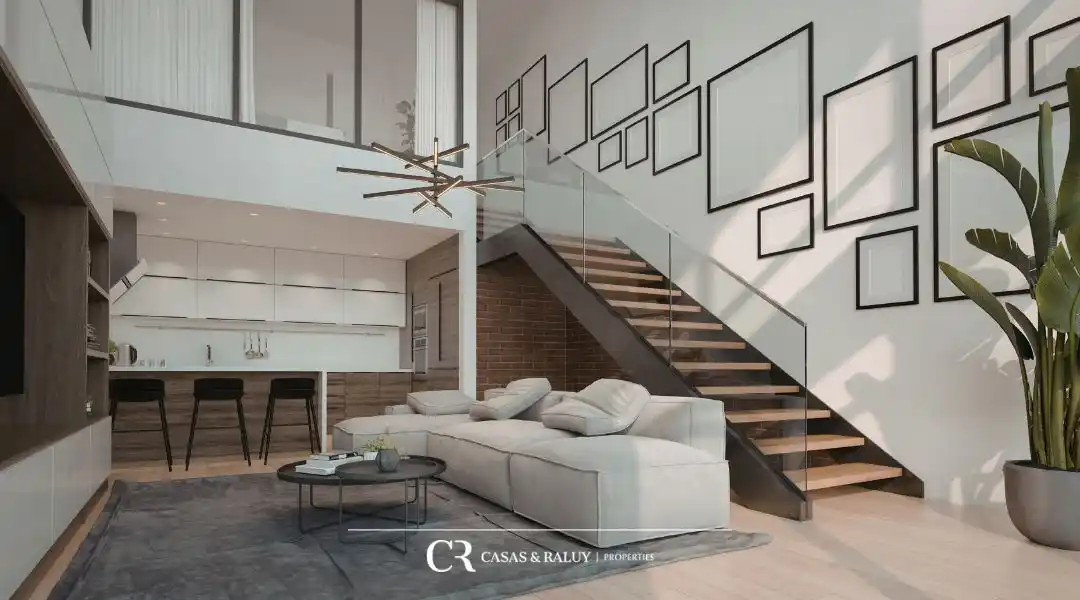
Natural materials, good ventilation, natural light, and open spaces that adapt to different moments of the day are prioritized. The home stops being a place of passage and becomes an environment that invites you to stay: to read, talk, or simply rest without digital distractions.
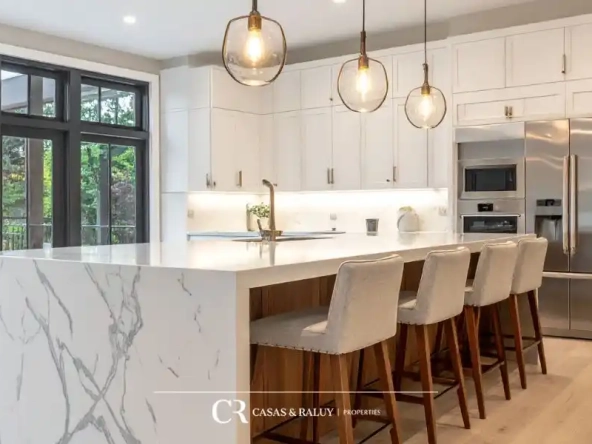
The kitchen: order, calm, and healthy habits
The kitchen is also redefined under this new vision of luxury. Beyond its practical function, it becomes a space where order and harmony directly influence our habits.
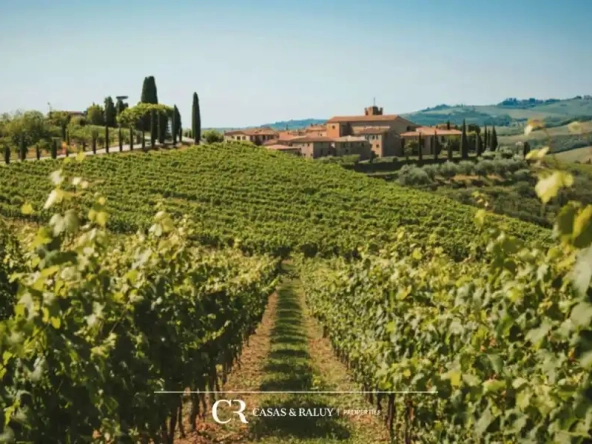
An organized environment facilitates healthier eating and improves food preservation. For this reason, elements such as the pantry gain prominence, even in medium-sized homes. In higher-end properties, this concept expands with specific areas such as wine cellars or well-integrated storage spaces.
A new, more conscious luxury
Ultimately, luxury in 2026 is not measured so much by what you have, but by how you live. The homes that truly stand out are those capable of generating well-being, adapting to the needs of their inhabitants, and offering an environment where one can feel better every day.